
The Truth About Safety and Why You Should Replace Them Every 6-24 Months
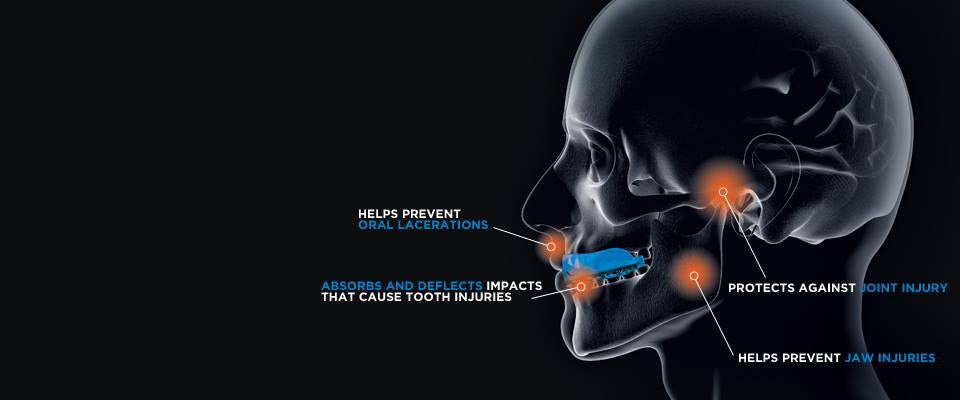
In combat sports like MMA, Boxing, Muay Thai, BJJ, and wrestling, a high-quality mouthguard is non-negotiable. It protects your teeth, reduces concussion risk, and prevents soft-tissue injuries. Today, the vast majority of professional-grade mouthguards are made from EVA (Ethylene Vinyl Acetate) – the gold-standard material trusted by fighters worldwide.
But with growing concerns about plastics, BPA, phthalates, heavy metals, and microplastics, many athletes ask: Are modern EVA mouthguards actually toxic? The short answer is no – when you choose reputable brands. Here's the evidence-based breakdown and why replacing your mouthguard regularly is critical for both performance and long-term safety.
Is EVA Itself Toxic?
EVA is one of the safest plastics for intra-oral use:
- FDA-approved for dental devices and long-term mouth contact.
- Classified as non-carcinogenic by IARC, NTP, OSHA, and ACGIH.
- No known adverse health effects from the polymer itself.
- Medical/dental-grade EVA is BPA-free, phthalate-free, latex-free, and silicone-free, in quality products.
Recent independent studies (2024–2025) confirm:
- Trace heavy metals (e.g., Cd, Cu, Pb) have been detected in some commercial mouthguards, but at extremely low levels (parts-per-billion to ppm) – far below safety limits and not considered a health risk.
- No significant leaching of toxins occurs under normal use conditions.
Cheap, no-name boil-and-bite guards from unreliable sources are the real risk – they may cut corners on material purity. Premium brands use rigorously tested, U.S./EU-sourced EVA that meets strict biocompatibility standards.
The Real Danger Isn't Toxicity – It's Wear and Tear
Even the safest EVA mouthguard degrades over time through:
- Repeated impacts and biting pressure
- Temperature fluctuations in your mouth
- Exposure to saliva, cleaning agents, and isotonic drinks
This causes:
- Hardening & Crystallisation – EVA slowly crystallises, becoming rigid and losing shock-absorption ability (proven in multiple studies).
- Micro-cracks & Thinning – Reduces thickness (optimal protection requires 4–6 mm), allowing more force to transmit to teeth and jaw.
- Bacterial Build-up & Hygiene Issues – Worn guards harbour more bacteria, yeast, and mould.
- Microplastic Shedding – Aged EVA can release tiny particles (all plastics do eventually), though custom/dental-grade sheds far less than cheap OTC versions.
- Poor Fit – Especially in growing teens or after dental work/braces.
Whats it mean to me? Well a 12–24-month-old guard offers dramatically less protection and may increase injury risk.
Expert Recommendation: Replace your combat sports mouthguard every 6–12 months for heavy training or every 6–24 months maximum (ADA & sports dentistry guidelines). Pros and serious amateurs replace seasonally or sooner if signs of wear appear (cracks, holes, bad taste/smell, or reduced cushioning).
Why Shock Doctor Remains One of the Best Mouthguard Brands in 2025
When it comes to combat-ready protection without compromising safety, Shock Doctor consistently tops independent reviews and fighter feedback:
- Uses high-grade, dental-approved EVA – explicitly BPA-free, phthalate-free, and rigorously tested.
- Multi-layer Gel-Fit liner + exoskeletal shock frame for superior impact dispersion.
- Models like Gel Max, Ultra 2 STC, and SuperFit are slimmer, breathable, and allow clear communication – perfect for sparring and competition.
- $10,000–$50,000 dental warranties on many models.
- Trusted by UFC, Bellator, ONE Championship athletes, and everyday grapplers for decades.
- 2025 user reviews: “Best boil-and-bite I’ve ever used – stays in place, doesn’t hinder breathing, and actually protects.”
Shock Doctor strikes the ideal balance: maximum protection, comfort, and proven material safety – all at an affordable price point.
Final Verdict: Train Safe, Replace Regularly
Modern EVA mouthguards from trusted brands like Shock Doctor are not toxic – they’re among the safest pieces of gear you’ll ever put in your mouth. The real risk comes from using a worn-out guard that no longer absorbs shock properly.
Protect your smile (and your brain) the smart way: invest in a premium EVA mouthguard and replace it every 6–24 months. Your future self – and your dentist – will thank you.
Ready for your next mouth guard? Check out the latest Shock Doctor combat series at Maximum Sport – engineered for fighters, by fighters.